Family: Geraniaceae
Common name: Shining Crane's-bill
Scientific name: Geranium lucidum
Date taken: 23/4/2023
Notes: Leaves small, palmate, and shiny. Flower petals unnotched.


Family: Geraniaceae
Common name: Shining Crane's-bill
Scientific name: Geranium lucidum
Date taken: 23/4/2023
Notes: Leaves small, palmate, and shiny. Flower petals unnotched.
Family: Brassicaceae (Cruciferae)
Common name: Cuckooflower (Lady's-smock)
Scientific name: Caradamine pratensis
Date taken: 23/4/2023
Notes: Common plant in meadows and by streams. With distinctive rose-pink flowers.


Family: Liliaceae
Common name: Snake's-head Fritillary
Scientific name: Fritillaria meleagris
Date taken: 23/4/2023
Notes: A rare, iconic plant that inhabits wet wildflower meadows. The plant prefers seasonally flooded sites but seems to avoid permanently water-logged parts of the meadow. Vulnerable to collectors, but luckily this population appears to be spreading according to the locals.


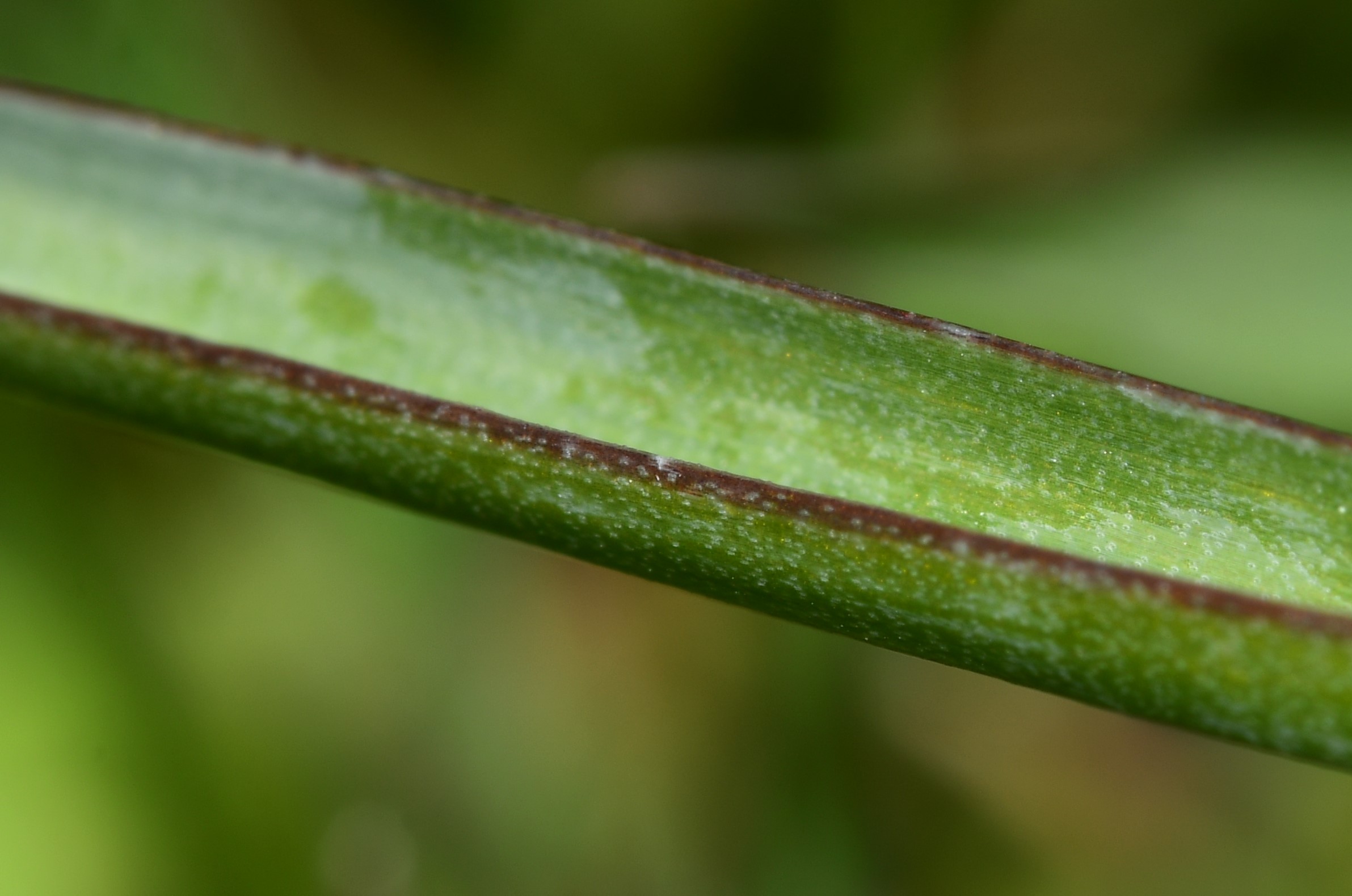
Family: Portulacaceae / Montiaceae (APG)
Common name: Springbeauty, Miner's Lettuce
Scientific name: Claytonia perfoliata
Date taken: 23/4/2023
Notes: A truly unique plant introduced from North America that is now naturalised in the UK. This population is found springing up from crevices in walls and stone paths.


Family: Geraniaceae
Common name: Common Stork's-bill
Scientific name: Erodium cicutarium
Date taken: 9/4/2023
Notes: Compared to Musk Stork's-bill (E. moschatum), leaflets are much more deeply divided. Flowers larger than the Sticky Stork's-bill (E. lebelii). With fewer or no glandular hairs, the plant is also much less sticky.


Family: Ranunculaceae
Common name: Pasqueflower
Scientific name: Pulsatilla vulgaris
Date taken: 19/4/2023
Notes: Iconic species found on south-facing slopes of chalk grasslands.


Family: Primulaceae
Common name: Oxlip
Scientific name: Primula elatior
Date taken: 19/4/2023
Notes: Plant with a restricted geographical distribution. Compared with the more common Cowslip (Primula veris), flowers are paler with spreading corolla. Compared to False Oxlip (P. vulgaris x veris), flowers dip towards the same direction. Also note that the orange speckles on the corolla tube is much less prominent in Oxlip.
Like other Primula spp., individuals produce one of two flower types - thrum flowers or pin flowers.


